

Searching for Caregiving Information?
Find Your Caregiving Situation
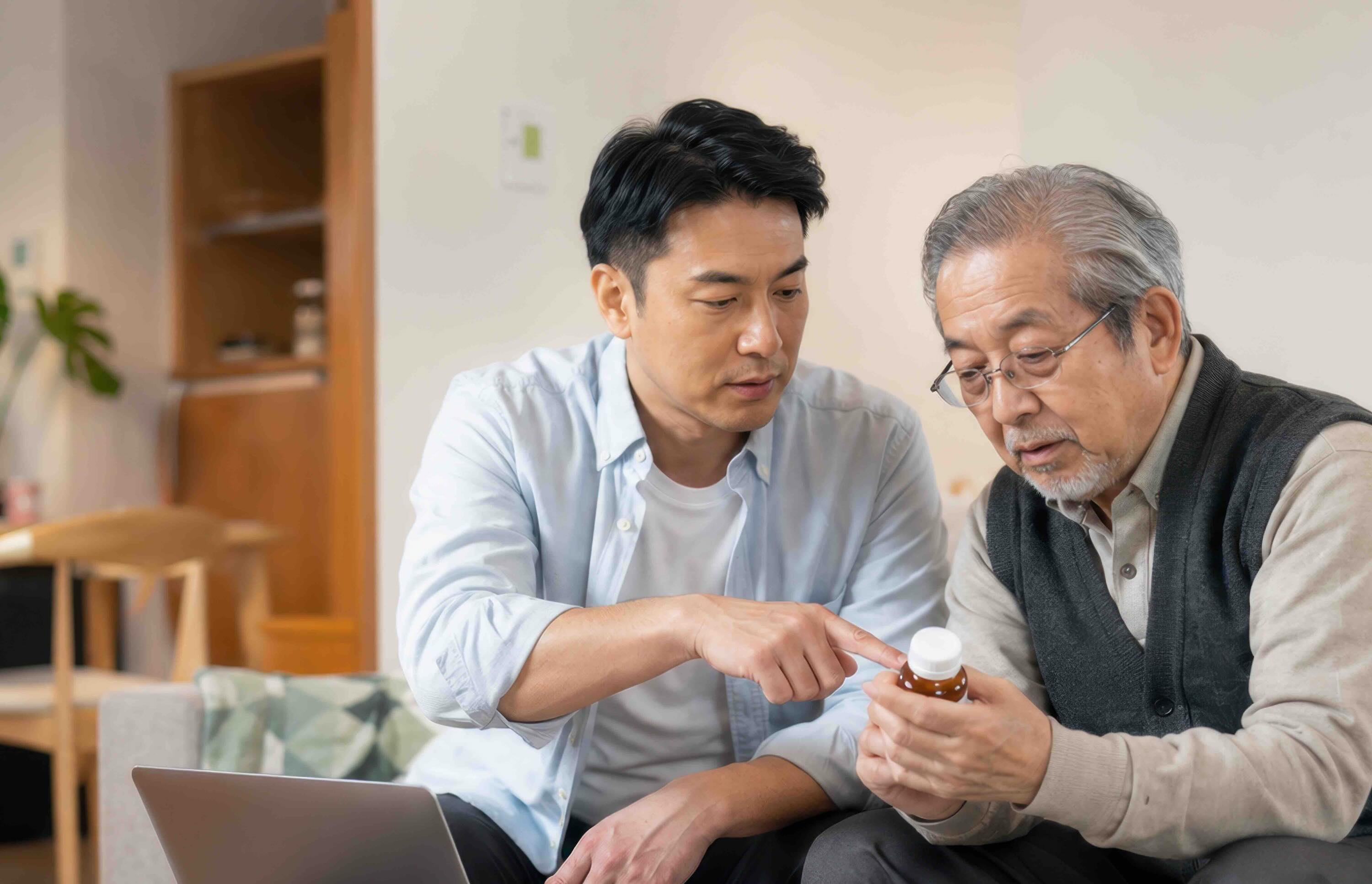
A majority of us will be caregivers at some point in our lives. As loved ones age, debilitating disease, chronic health conditions or simple frailty can soon follow. Or we may end up caring for someone permanently injured from an accident. While some employ paid providers, most rely on unpaid assistance from families, friends and neighbors. We won't always know when we'll be needed as a caregiver, but there are things we can do to feel more prepared. >>
For some people, caregiving occurs gradually over time. For others, it can happen overnight. Some perform hands-on care, while others provide support from a distance. Full- or part-time, live-in or long-distance, caregivers are essential whether grocery shopping or performing complex medical tasks. One thing is fairly definite: the earlier you find support, the better off you and your loved one will be. We can help you take stock of the people, services and information that will help you as a new caregiver. >>
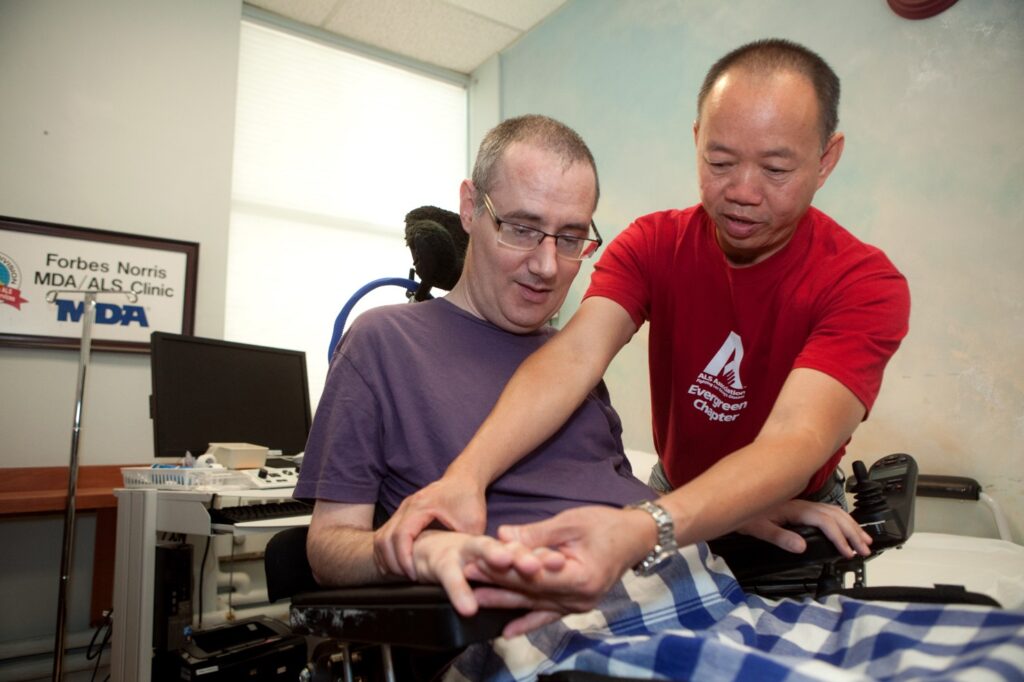
Many of us choose to care daily for an older, sick, or disabled family member or friend and feel rewarded by it at times. Others have the in-home caregiver role suddenly forced upon them—as with spouses of injured veterans returning home from service. Juggling caregiving, employment and family can leave these caregivers overwhelmed and at greatest risk for depression as they often don't get the breaks (respite), they need. Help is available . . . >>
Caring for a loved one when you live in another city or state—let alone across town—can present obstacles that make caregiving seem next to impossible. Strained sibling or other relations can contribute to the difficulties you face, making it hard to agree on the legal and medical decisions required on behalf of your loved one. While it can be challenging to coordinate all aspects of care from afar, we can provide resources specific to caring from a distance. >>
Holding on to life and to our loved ones is a basic human instinct. Families caring for those with a chronic and debilitating illness that has progressed to the advanced stages will face very difficult decisions regarding medical treatment, life-sustaining care and questions about their own emotional capacity to care. Whether it's seeking a nursing home, finding hospice or palliative care options, or dealing with the complex legal issues surrounding care of another person, know that we can assist you when caregiving through advanced illness. >>
A loved one's death may signal the end of day-to-day care, but associated responsibilities can continue, extending your caregiving journey. Managing the details of an estate, providing support to a surviving spouse or children, or figuring how to return to work can all be challenging to tackle. Support groups, among other resources, are one way to help you on your path forward. Discover ways to survive, post-caregiving. >>